Saturday, February 14, 2026

How to Arrange Furniture Like a Pro


How to Arrange Furniture Like a Pro

Arranging furniture transforms any space into a functional, stylish haven. Pros follow proven principles for flow, balance, and scale that anyone can master.

Step 1: Plan Your Layout

Measure your room and key pieces first—use graph paper or apps to sketch a floor plan, marking doors, windows, and focal points like fireplaces. Identify the room's purpose (conversations, TV viewing) to prioritize zones. Test arrangements by cutting paper templates scaled to your furniture.

  • Focal Point: Anchor seating around one element, such as artwork or a window, for cohesion.

  • Traffic Flow: Maintain 30-36 inches of clearance for pathways; avoid blocking entries.

  • Scale & Balance: Mix large (sofa) and small (chairs) items; distribute weight evenly across the room.

Living Room Arrangements

Living Room Arrangements

Float sofas 12-18 inches from walls to create intimate groupings rather than lining everything against edges. Use rugs to define zones—front legs of furniture on the rug. For small spaces, angle chairs toward each other; in open plans, layer multiple conversation nooks.

Layout TypeBest ForKey Setup
SymmetricalFormal vibeMirror pieces across focal point
AsymmetricalDynamic feelVary heights/textures for visual interest
ZonedMultifunctionalRugs partition lounge/dining areas

Common Mistakes to Avoid

Don't overcrowd—aim for 18-24 inches between pieces for easy access. Skip pushing all furniture against walls, as it wastes center space and kills intimacy. Balance soft fabrics with hard surfaces, like pairing a plush sofa with a sleek coffee table.lowes

Common Mistakes to Avoid

Pro Finishing Touches

Apply the Rule of Thirds: Place key items at imaginary line intersections for natural appeal. Test by walking the layout—adjust for smooth movement. Lighting enhances it all; layer floor lamps with table fixtures.studysmarter

Sunday, December 22, 2024

20 Amazing TV Wall Ideas That Can Never Go Out of Style


 20 Amazing TV Wall Ideas That Can Never Go Out of Style

Your TV wall can be more than just a spot for your screen—it can be a statement piece that elevates your home’s aesthetics. From sleek modern setups to cozy and rustic designs, we’ve rounded up 50 amazing TV wall ideas that stand the test of time. Whether you have a spacious living room or a compact space, these ideas will inspire your next design upgrade.


1. Floating TV Console with LED Backlights


Enhance your TV wall with a floating console paired with customizable LED lighting for a modern touch.


2. Minimalist Paneling


Opt for sleek, vertical wood panels to add texture and sophistication to your TV area.


3. Gallery Wall Around the TV


Blend your TV into a gallery wall with artwork and photographs for a curated look.


4. Built-In Shelving Units


Combine storage and style with built-in shelves framing your TV, perfect for books and decor pieces.


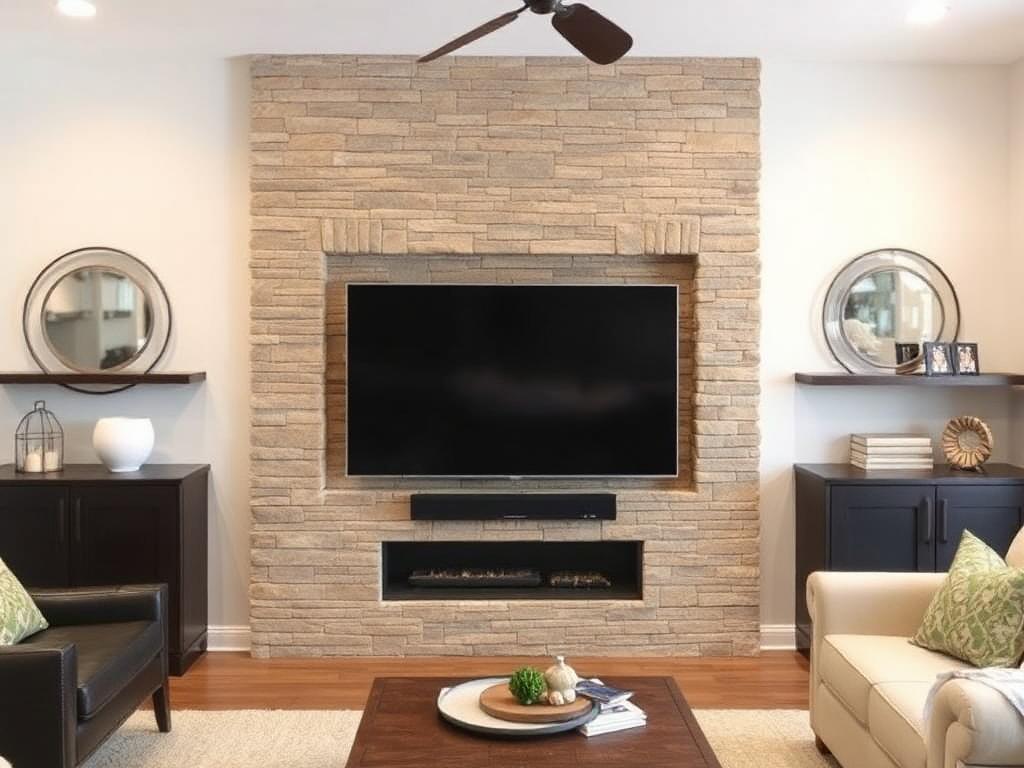
5. Stone Accent Wall


Give your TV wall a rustic or luxurious vibe with natural stone cladding.


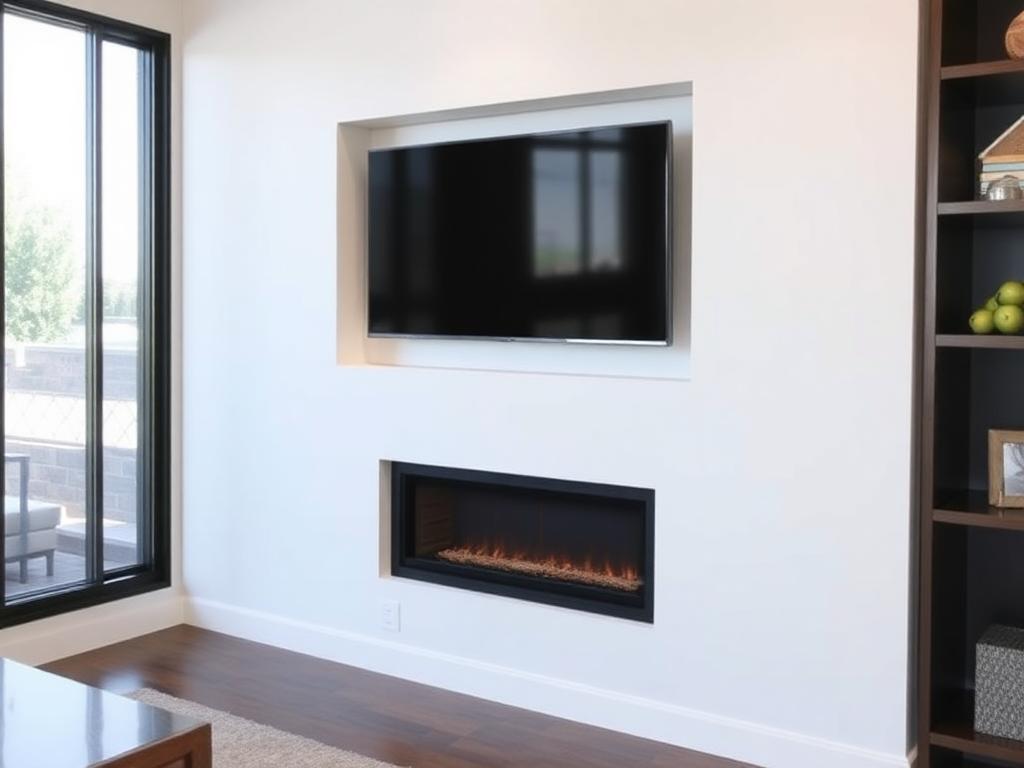
6. Fireplace and TV Combo


Create a cozy focal point by pairing your TV with a modern or classic fireplace beneath.


7. Wall-Mounted TV with a Recessed Niche


Achieve a sleek look by recessing your TV into the wall for a flush, streamlined appearance.


8. Accent Color Paint


Paint your TV wall in a bold accent color to make it stand out.


9. Contemporary Slatted Wood Design


Use slatted wood panels for a Scandinavian-inspired, minimalist TV wall design.


10. Marble-Clad TV Wall


Elevate your living space with a luxurious marble TV backdrop.


11. Hidden TV Cabinet


Install a sliding panel or cabinet to conceal your TV when not in use.


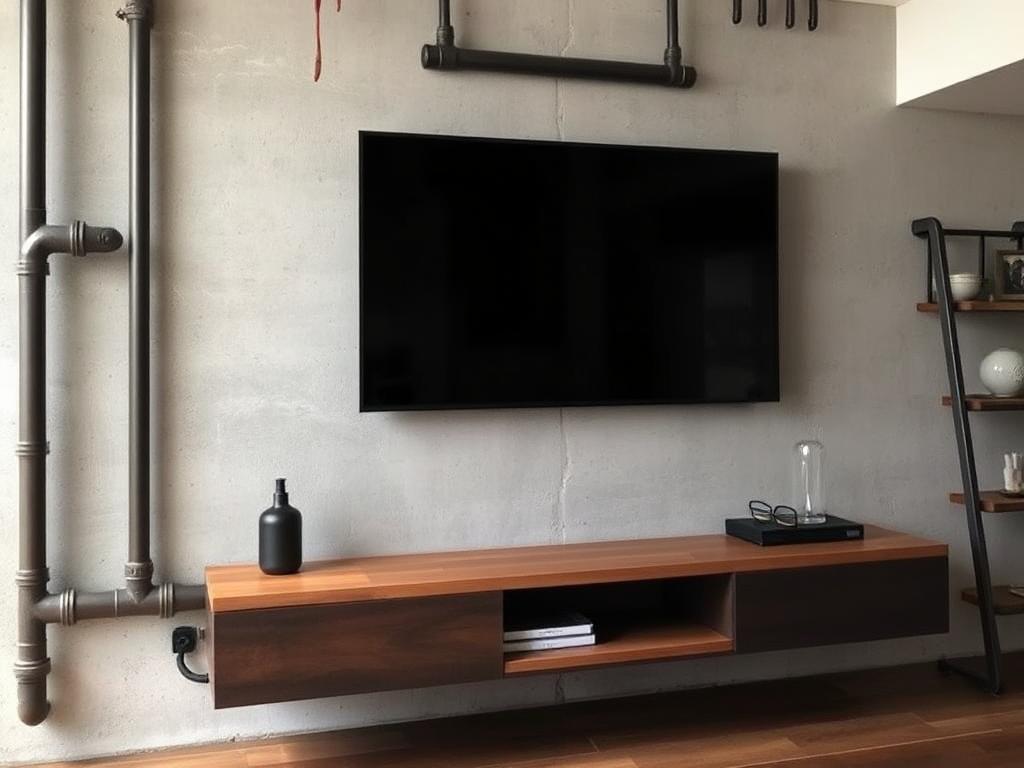
12. Industrial-Style TV Wall


Combine concrete textures, exposed pipes, and metal accents for an industrial look.


13. Floating Shelves with Greenery


Add floating shelves around your TV and decorate them with plants for a fresh, organic vibe.


14. Geometric Patterns


Design your TV wall with 3D panels or geometric shapes for a modern, artistic touch.


15. Rustic Wooden Beams


Frame your TV with reclaimed wood beams for a cozy, farmhouse-style design.


16. Wall-Mounted Soundbar Integration


Integrate a sleek soundbar directly beneath your TV for a high-tech and clutter-free setup.


17. Chalkboard TV Wall


Turn your TV wall into a creative chalkboard where you can doodle or leave notes.


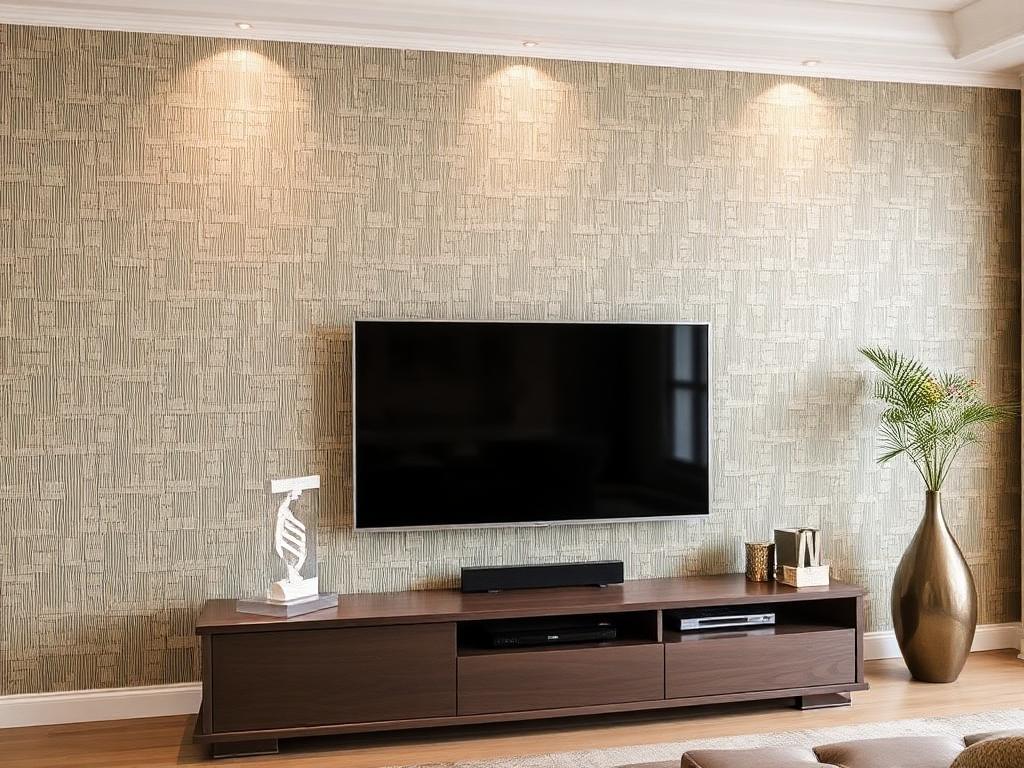
18. Textured Wallpaper


Use textured wallpaper, such as grasscloth or metallic finishes, to add depth to your TV wall.


19. Multi-Functional Storage Wall


Combine your TV area with closed cabinets and open shelving for a practical yet stylish solution.


20. TV Frame Design


Frame your TV with decorative moldings to make it look like a piece of art.


Transforming your TV wall doesn’t have to be a daunting task. These 50 ideas showcase the endless possibilities for blending functionality, style, and timeless design. From minimalist panels to luxurious marble accents, there’s a TV wall idea here for every taste and space.


Which of these TV wall ideas caught your eye? Share your favorite in the comments or start your next home upgrade today!

Sunday, October 20, 2024

Eco-Friendly Kitchen Decor: Sustainable Ideas for a Green Cooking Space

Redesigning your kitchen and making it greener does not have to be boring. In fact, with the right design ideas, it is possible to have an appealing eco-friendly cooking space that has minimal impact on the environment. In this post, we will discuss styles that are pretty yet practical, stylish yet eco-friendly.


Reclaimed Wood Shelving

Reclaimed wood may be used to restore style rather than use new materials. When incorporated into shelves, countertops, or even cabinetry, old wood gets a new life and brings an impressive rustic feel to your kitchen decor.


Energy-efficient Lighting

Replace incandescent bulbs with LED lamps, they are more energy efficient. Energy bills will go down while your kitchen gets a clear and bright illumination.


Upcycled Furniture

Use an old piece of furniture or upcycle. Turn an old table into a kitchen island, or restyle old and reuse vintage chairs. Upcycled pieces not only conserve materials but also make your space truly special.


Eco-friendly Paint

And don’t resort into toxic wallpaper instead just make use of paint but be sure to use eco-friendly paint, low in volatile organic compounds (VOCs) and perfect for a kitchen environment. These kinds of paints are not only better for the environment but also improve indoor air quality, minimizing harmful chemicals in your house.


Bamboo and Cork Accents

When it comes to kitchen accessories, one can always look for bamboo and cork as they are sustainable materials. They are renewable and biodegradable for materials that are very useful such as cutting boards or utensil holders, They are stylish too!


Reusable Storage Solutions

Forget about using plastic bags that you can throw away after use, glass containers or silicone food storage bags come to be more useful. They help cut down kitchen waste over time while being durable and environmentally friendly as well.


Water-Efficient Fixtures

Put a stop to excessive water usage by using water-efficient faucets or aerators. These fixtures combine strong water pressure with reduced water usage, which makes kitchens more eco-friendly.


Composting Station

One of the easiest methods to control food waste is by including a composting bin into your kitchen. Composted organic waste does not go into landfills thereby using kitchen waste as fertilizer for the garden.


Recycled Tile Backsplash

If you are searching for a sustainable option for a kitchen backsplash, recycled glass or ceramic tiles would be an excellent fit. They are not only good for the surroundings but can be found in various designs and shades making them aesthetically pleasing.


Stainless Steel and Glass Cookware

Instead of non-stick pans that contain harmful chemicals, one could use stainless steel or glass cookware. Not only are these alternatives good for the environment but are also more durable and are recyclable.


Creating an eco-friendly kitchen is all about making smart, sustainable choices. From reclaimed wood and energy-efficient lighting to upcycled furniture and eco-friendly paint, there are endless ways to go green in the kitchen without sacrificing style. Which of these ideas will you try for your green cooking space?


Ready to make your kitchen more sustainable? Share your eco-friendly decor ideas in the comments below, and follow us for more green living tips!

Friday, October 18, 2024

How To Create A Color Palette For Your Entire Home.

Choosing a dominant color scheme for your whole house may be difficult however will give you a lot of satisfaction afterwards. A great approach to styling your areas is to have a color scheme that flows throughout, unifying the look. Apply these guidelines for your home and its color scheme to ensure that everything flows nicely.


Start with a base color

There must be a primary dominant color that can establish your color palette. Neutral colors such as white, beige, and grey along with soothing pastels can create good backgrounds. One of the base colors will be applied on a majority of walls and other large areas which will give a standard look.


Pick an Accent Color

Choose one that will serve as the accent color. This color enhances and makes the rest of the rooms stand out. It includes interior wall colors, paintings, or other decors such as mats and cushions. For the best internal atmosphere, utilize one accent color that has various shades in separate areas.


Add a bit of “Pop” to your Palate

Take those rare loud colors to act as a ‘pop’ which will liven up certain areas of the house. Loud colors like these should be put on designs like accessories, linen, or paintings. They make the overall color cache more lively without making it look ‘loud’ standing out too much.


Consider the 60-30-10 Rule

Consider the 60-30-10 rule is a basic premise in the interior design field. It proposes that 60% should be a base or primary color, 30% should be a secondary or more accentuated color, and 10% should be for the more demanding or pop color. This ratio has the advantage of ensuring that no single color is excessive in the area being worked upon.


Connect the Spaces

Let every room lead to the other by ensuring that the colors used have the same fade. For instance, if the color used in the living room is pale blue, the adjoining room may have dark blue color. This makes your home have a logical flow.


Add Lighting to The Equation

Do not, for one second, think of choosing colors and completely exclude lighting. Color brightness can be influenced by the space of a room and the type of lighting used. There are three lighting sources: sun, man made and shadows. Try using paint samples and test them at different times and watch how changes in light affect the look.


Seek Assistance With A Color Wheel

An understanding of color relationships and a selection of complimentary or adjacent en-palette colors can be aided and abetted by a color wheel. Colors directly opposed to each other on the color wheel and create contrast while ratio measures that are next to each other create a more calming effect.


Enhance the Color Palette with Organic Colors and Patterns

Add texture or pattern to your color palette to give it a fresh perspective. With the use of patterned carpeting, textured crewel, wood furniture, and the like, the unmodified colors in the room will not make it look boring.


Remember the Other Parts of the Room, the Ceiling

Always remember the primary focus which is the ceiling can easily be a game changer when it comes to redesigning the overall room’s color scheme as well. For instance if you spread the same color with the only difference that this is the base color but in a lower tone this can make the room a softer more welcoming atmosphere.


Make it Happen: 

Try It First On Your Walls and Test Samples Before Finalizing Your Selection

Before settling on the colors combine the color samples and paint first turn one of the walls in the room being designed. Check how the colors change during different times of the day and ensure they fit well with the space and not overexpose the furniture and decoration.


Designing a color palette for your whole house is not as hard as it seems. By following these steps, you can achieve a pleasing and flowing style throughout the house. Choose one color for the main which will then be accentuated by other colors.